Spraying or brushing and rolling a Carlsbad exterior

On a breezy stretch of the coast, a sprayer puts more paint into the air than onto the wall, and the running record carlsbad painters itavb holds shows that wind, surface and masking time settle the choice between spraying and brushing before speed does. Painters working on a house in Carlsbad, CA look at the stucco, the trim and the afternoon breeze before anything comes off the truck.
Where an airless sprayer earns its place

Stucco soaks up paint, and its texture hides small pockets that a roller alone leaves as dark specks where the nap cannot reach. An airless sprayer pushes latex or acrylic into those pockets at a steady rate, and a crew can cover a whole elevation in the time it takes to roll one wall. The trade is masking, since every window, fixture and shrub within reach of the mist has to be covered first.
Why trim, doors and fascia are brushed
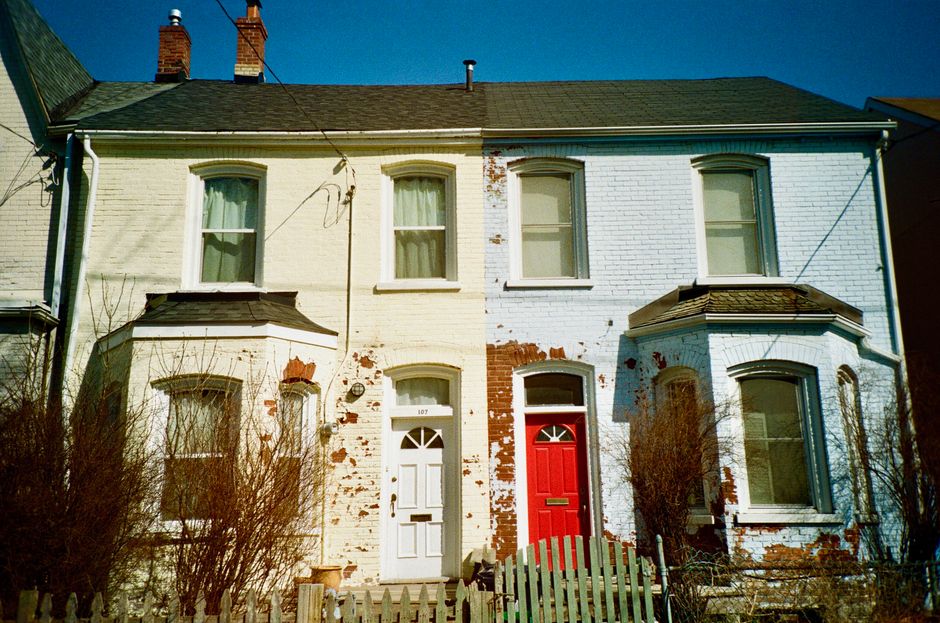
Narrow surfaces waste most of a spray pattern. Fascia boards, window casings and doors are cut in with a brush, because bristles lay the topcoat into corners and leave a clean line against the stucco. Wood trim on the older cottages around Olde Carlsbad often needs caulk at the joints and patching of soft spots before any enamel goes on, and a brush works that enamel into the grain far better than a sprayer does.
Wind and overspray near the water
Onshore wind in the afternoon is the usual reason a sprayed job stops. Fine mist drifts past the fence line onto cars, glass and the neighbours' gardens, and droplets that dry in the air land as a rough, sandy film. Crews near Agua Hedionda Lagoon or Carlsbad State Beach start early and put the sprayer away when the breeze picks up.
Back-rolling and back-brushing
Spraying only lays the film down. On bare or chalky stucco, a second painter follows the sprayer with a roller or a brush and presses the wet primer into the surface so it grips. That step separates a coat that bonds from one that peels within a couple of seasons. A sprayed coat also has to reach the right mil thickness, and the only way to judge it is to watch the wet film and count passes.
When the roller is the better tool
Indoors, rolling is usually quicker overall. A short nap suits smooth drywall, while a thicker nap carries enough eggshell or satin paint to fill light texture. Rolling makes no mist, needs little masking beyond the baseboards, and lets a painter cut in the ceiling line and then roll the wall while the edge is still wet so no lap marks show.
Choosing by the house
Most exteriors in Carlsbad, CA end up as a mix. The big stucco faces are sprayed, the trim and doors are brushed, and anything chalky is back-rolled. The mix is decided on the wall by the surface, the wind and how much can be masked, not by habit.