Ladders and staging on two-storey homes in Carlsbad
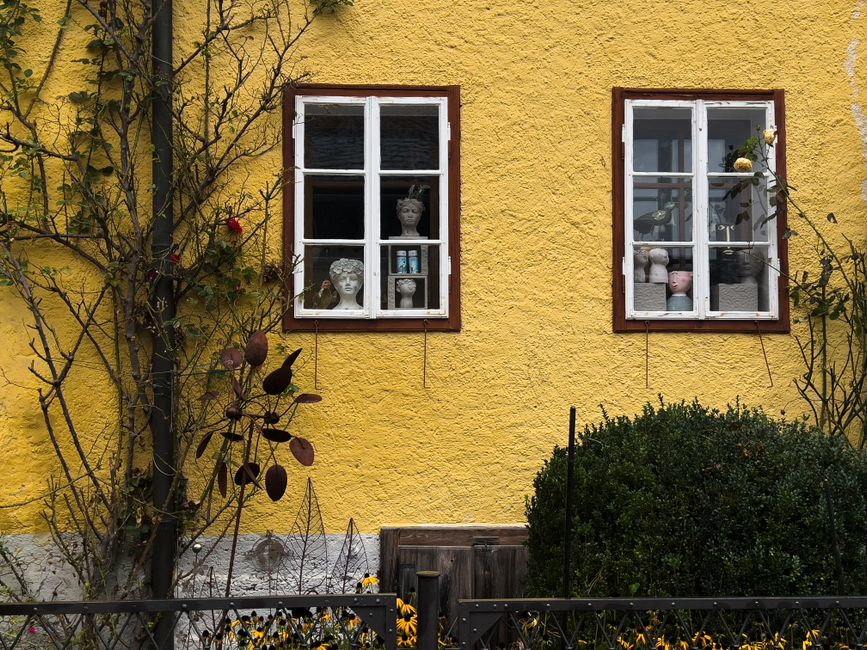
Two storeys of wall is two storeys of setup, and the setup is slower than the painting, as the notes at carlsbad painters itavb describe. On the tall stucco homes of Aviara, La Costa and Bressi Ranch, painters in Carlsbad, CA spend the first part of a day choosing how to reach the upper walls, eaves and gables, not how to paint them.
Extension ladders and where they stop

An extension ladder is set at a steady angle, with feet on firm, level ground and the top extended past the work so the painter never stands on the highest rungs. On the sloped driveways common in the hillier parts of the city, a leveler or a plank under one foot keeps it square. A standoff keeps the ladder off the gutter and the stucco, so nothing is crushed and no wet paint is smeared when the ladder is moved.
Pump jacks and plank staging
For a long upper wall, two poles with pump jacks carry an aluminum plank that a painter walks along while spraying or rolling. That gives a continuous run of wall with no ladder moves, so the lap marks and sheen differences that come from stopping a wet edge disappear. The poles are braced against the house, and the planks are set on the jacks only after the cloths below are down, because dropped tools and drips land on whatever is beneath.
Scaffolding and lifts for tall elevations
Gable ends on larger homes may be too high for either method. A rolling scaffold or a boom lift reaches them, but both need flat ground, a clear path through the side gate and room to turn. The extra setup repays itself on a tall wall, where it replaces dozens of ladder moves and keeps an airless sprayer at a constant distance from the surface.
Eaves, soffits and the work at the top
The soffit and fascia are cut in first, with a brush, then the wall is sprayed and back-rolled downward so drips run onto wet paint and blend. Caulk at the fascia joints and a spot of primer on bare wood go on before the topcoat. Tile roofs are not walked on, because tile cracks under a boot, so work at the roof edge is done from a ladder fitted with stabilizers or from the staging.
Ground crew and tie-off
Every ladder and plank has a second person watching the base. Ladders are tied at the top whenever the afternoon wind rises, which on the open coast near the lagoons it usually does. On this kind of house, a slow start with the staging is how a crew finishes the second storey without a dropped can or a bent ladder.