Painting around coastal fog and winter rain in Carlsbad

Two coats applied in one foggy morning behave like one wet coat, because the first never dries before the second goes over it. Between May and August the recoat intervals carlsbad painters itavb uses are longer than the label says, since marine fog keeps surfaces damp well past breakfast. Painters in Carlsbad, CA plan the day around the weather, not the can.
Dew and the late morning start

Stucco and wood siding hold moisture overnight, and a wall that feels dry to the hand can still be damp an inch inside. Exterior latex applied over a damp surface blisters later or dulls its sheen. Crews on the coast start with the sunniest elevation and move round with the light, and they leave the shaded north walls until the afternoon when the surface has finally warmed.
Fog season recoat intervals
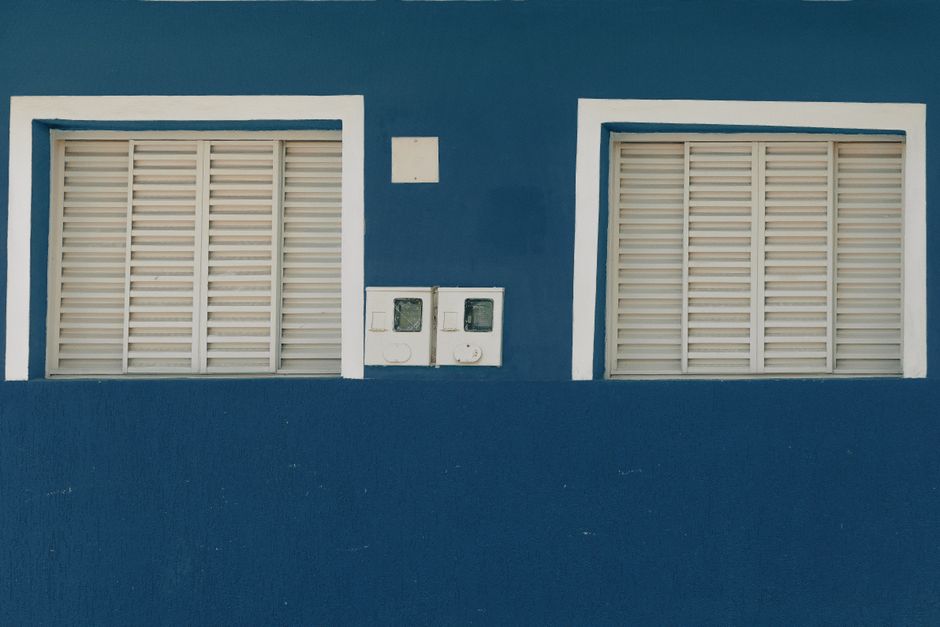
The manufacturer's recoat time assumes dry air and warm surfaces. Under summer marine fog, an acrylic topcoat needs more hours before a second pass, and a quick check with the back of a knuckle against a hidden corner tells more than the can does. The fog also returns in the evening, so a coat applied late in the day gets dew on it before the film has set.
Winter rain and what moves indoors
Carlsbad gets about 12 inches of rain a year, and most of it falls in the winter months. Exterior painting stops when rain is forecast within a day or so of the coat going on. That is the season for interior work: patching with spackle, sanding, primer and two coats of eggshell or satin on walls, and semi gloss on trim, all done without worrying about the weather outside.
The dry days and fast skinning
With about 263 sunny days a year, the opposite problem is common. Direct sun on a dark wall makes paint skin over before the roller finishes, which leaves lap marks and a rough texture. Painters follow the shade around the house, keep a wet edge, and use a longer nap with a fuller load of paint on sun-baked stucco so the coverage stays even.
After the wet season
A wall that has been rained on all winter often shows chalking, hairline cracks and stains. Pressure washing waits until the stucco has dried through, then caulk and patching are done and bare spots get primer before the topcoat. That sequence, in order, is what holds the coating through the next fog season off the lagoons.